
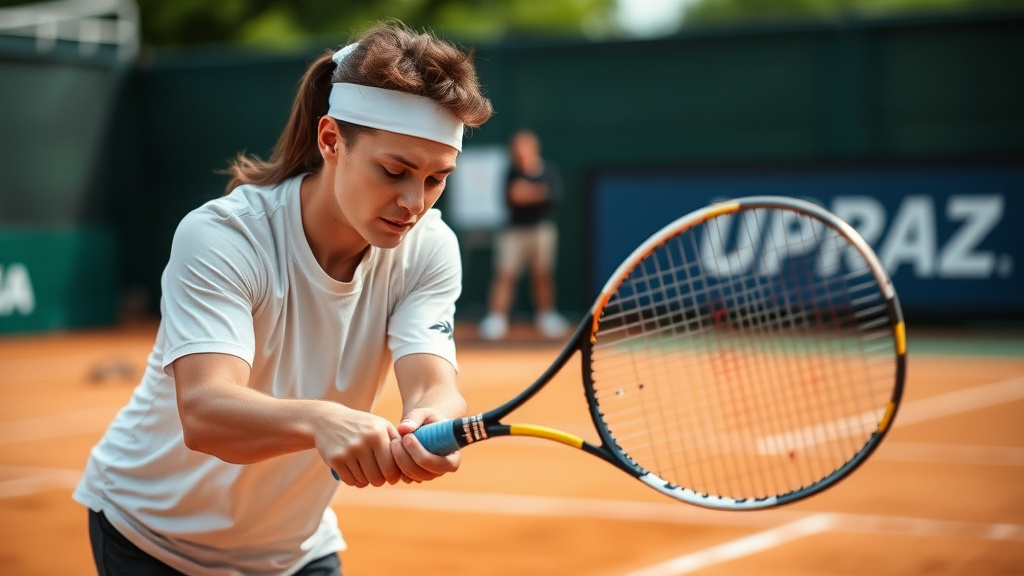
Tennis demands dynamic bursts of power, rapid directional changes, and repetitive motions that place tremendous stress on the body. For professional and amateur players in general, injury can cut short promising careers. However, implementing strategic prevention methods—from correct training fundamentals and technique refinement to strategic training programs and recovery methods—can substantially lower the risk of injury. This article discusses evidence-based injury prevention strategies that help tennis competitors to sustain top-level performance, remain active longer, and lengthen their time competing at high levels.
Learning About Frequent Tennis Injuries
The Most Frequent Tennis Injuries
Tennis players experience a distinctive range of conditions arising out of the sport’s challenging nature. The frequent injuries encompass tennis elbow, a issue affecting the lateral epicondyle of the humerus, and rotator cuff damage that affect shoulder stability. In addition, ankle sprains, knee ligament damage, and lower back strains plague athletes at all competitive levels. Recognizing these widespread conditions is essential for establishing targeted prevention strategies that target the specific vulnerabilities linked to tennis performance and movement patterns.
Overuse injuries dominate the tennis injury landscape, accounting for roughly 70% of all player injuries. Conditions such as patellar tendon inflammation, frequently called jumper’s knee, and persistent shoulder impingement emerge progressively through repetitive stress. These injuries often progress insidiously, with athletes initially experiencing minor pain that develops into substantial movement restrictions. Timely identification of overuse injury patterns enables timely intervention, preventing minor issues from becoming career-threatening conditions that could keep athletes sidelined for extended periods.
Contributing Elements Leading to Injuries in Tennis
Several interconnected risk factors increase injury susceptibility among tennis athletes. Inadequate conditioning, particularly weak core muscles and flexibility, produces biomechanical vulnerabilities that manifest during intense competition. Poor technique execution, especially improper serve mechanics and poor movement patterns, concentrates excessive forces on vulnerable joints and tissues. Additionally, rapid training volume increases, inadequate rest between sessions, and playing on unsuitable surfaces significantly elevate injury likelihood, making thorough knowledge of these factors essential for injury prevention.
Age and previous injury history substantially influence tennis injury risk profiles. Younger players often lack the neuromuscular maturity and body awareness required for optimal movement patterns, while veteran athletes experience declining tissue elasticity and recovery capacity. Athletes with previous injuries face heightened reinjury risks due to lingering weakness, proprioceptive deficits, and changed movement compensation patterns. Environmental factors, such as court surface properties, weather conditions, and gear quality, also contribute substantially to injury development, requiring comprehensive evaluation of all contributing variables.
Effects of Injuries on Sport Careers
Tennis injuries impose substantial consequences stretching far beyond immediate physical impairment. Severe injuries often require prolonged absence from competition, affecting training advancement, competitive rankings, and financial earnings for professional athletes. Psychological impacts including anxiety, depression, and loss of confidence often accompany physical recovery processes. Furthermore, some injuries create permanent functional limitations, forcing athletes to modify playing styles or prematurely retire from competitive tennis, underscoring the critical importance of proactive injury prevention strategies.
The economic and psychological impact of tennis injuries supports substantial investment in prevention methodologies. Career interruptions influence sponsorship opportunities, tournament earnings, and career longevity, particularly for players who depend on competitive income. Beyond monetary factors, the psychological trauma of serious injuries affects motivation, confidence, and love of playing. Adopting research-backed injury prevention approaches constitutes a economical solution to safeguarding professional careers, preserving competitive opportunities, and ensuring that talented players can maximize their potential throughout prolonged competitive periods.
Core Prevention Methods for Players in Tennis
Establishing multi-faceted injury prevention programs is essential to safeguarding tennis players from career-threatening injuries. By addressing the root causes of typical tennis-related injuries—including overuse, flawed mechanics, and poor fitness levels—athletes can markedly decrease their chances of sustaining serious performance declines. The best injury prevention approaches combine several methods adapted for individual player needs, accounting for factors such as age, skill level, and prior injury records. These approaches work together to fortify susceptible regions and enhance comprehensive athletic toughness.
Successful injury prevention depends on commitment from players, coaches, and support staff working collaboratively toward common objectives. Modern sports science has pinpointed specific interventions that demonstrably lower injury rates while concurrently boosting performance capabilities. From biomechanical analysis to customized workout plans, evidence-based prevention methods enable athletes to safeguard their health. By prioritizing prevention over reactive treatment, tennis players can sustain regular training routines, prevent rehabilitation periods, and prolong longer, more productive careers at professional standards.
Proper Warm-Up and Cool-Down Routines
Preparation and recovery routines establish the basis of any injury prevention program in tennis. A thorough warm-up increases body temperature, enhances muscle elasticity, and readies the cardiovascular system for strenuous exercise. These preparation phases stimulate neural pathways, enhancing coordination and reaction time while decreasing injury risk. Conversely, cool-down periods enable gradual heart rate decrease and initiate the recovery process. Both components are essential bookends to practice sessions and competitive matches, safeguarding joints and muscles from abrupt strain.
The standard of pre-exercise and post-exercise routines directly influences injury prevention outcomes and healing speed. Dynamic stretching during warm-ups boosts flexibility and blood flow to working muscles more efficiently than static stretching. Cool-down sessions enable clearance of metabolic byproducts and decrease muscle soreness, enhancing recuperation. Regular practice of these routines builds healthy habits that become integral to player discipline. Tennis athletes who emphasize proper warm-up and cool-down protocols report fewer immediate trauma and long-term health issues, enabling sustained participation in their sport.
- Dynamic stretching enhances flexibility and muscular engagement effectively
- Gradual heart rate elevation prevents cardiovascular system shock
- Mobility exercises enhance range of motion safely
- Cool-down walking reduces dizziness and muscular soreness
- Static stretching post-exercise improves lasting flexibility improvements
Extended Career Management and Recuperation Methods
Deliberate Rest and Dynamic Recovery
Long-term professional longevity in tennis necessitates combining rigorous workouts with adequate recovery periods. Professional players ought to include planned recovery days into their training schedules, allowing muscles and connective tissues to recover and build strength. Low-intensity recovery activities, such as light swimming, yoga, and guided stretching routines, promote blood circulation without adding extra strain on vulnerable joints. Periodized training schedules that cycle through high-intensity competition phases and lower-intensity preparation periods reduce the risk of cumulative fatigue and repetitive strain injuries that could otherwise damage careers.
Recovery extends beyond physical rest to include sleep optimization and nutritional support. Tennis athletes should prioritize seven to nine hours of restful sleep nightly, as this is when the body produces growth hormone crucial to tissue repair. Proper hydration and a balanced diet rich in protein, omega-3 fatty acids, and antioxidants support cellular recovery and reduce inflammation. Monitoring sleep patterns and recovery metrics through wearable devices allows players to modify workout intensity based on their body’s true recovery level rather than fixed training plans.
Continuous Health Monitoring and Adjustment
Periodic evaluations with sports medicine specialists and physiotherapists are essential for recognizing emerging issues before they become major injuries. Quarterly screening assessments, biomechanical evaluations, and imaging studies help uncover movement compensations or structural changes that require corrective action. Early identification allows for targeted corrective exercises and technique adjustments, preventing minor muscle imbalances from becoming career-threatening conditions. Keeping comprehensive injury records helps medical professionals to identify trends and introduce prevention approaches tailored to each athlete’s injury risk profile.
As players progress in years, training programs must change to accommodate evolving bodily demands and recuperation timelines. Veteran athletes benefit from emphasizing quality over quantity in training sessions, concentrating on technical improvement and tactical execution rather than high training volume. Incorporating strength maintenance routines and mobility work becomes more critical for preserving joint health and movement capacity. Adaptable training methods, paired with willingness to modify methods and performance styles, allows seasoned professionals to extend their careers while sustaining competitive standards.
Psychological Resilience and Injury Prevention Psychology
Psychological factors substantially impact injury susceptibility and recovery outcomes in tennis. Athletes facing considerable stress, anxiety, or poor mental health demonstrate increased injury rates due to reduced focus, muscle tension, and compromised decision-making. Introducing psychological conditioning strategies, stress management techniques, and partnering with sports psychologists helps sustain psychological balance during demanding competitive seasons. Building mental resilience through mental imagery, setting objectives, and mindfulness practices not only boosts competitive results but also creates a protective psychological framework that lowers injury susceptibility.
Developing a healthy connection to injury prevention and recovery fosters long-term career longevity. Players who regard injury prevention as essential rather than optional demonstrate greater compliance with recovery and conditioning protocols. Creating a supportive team environment where coaches, medical professionals, and trainers coordinate injury prevention strategies ensures thorough, consistent care. Celebrating gradual improvements in mobility and strength, alongside competitive achievements, reinforces the importance of sustainable practices that permit tennis athletes to enjoy extended, fulfilling careers at their target competitive level.
