
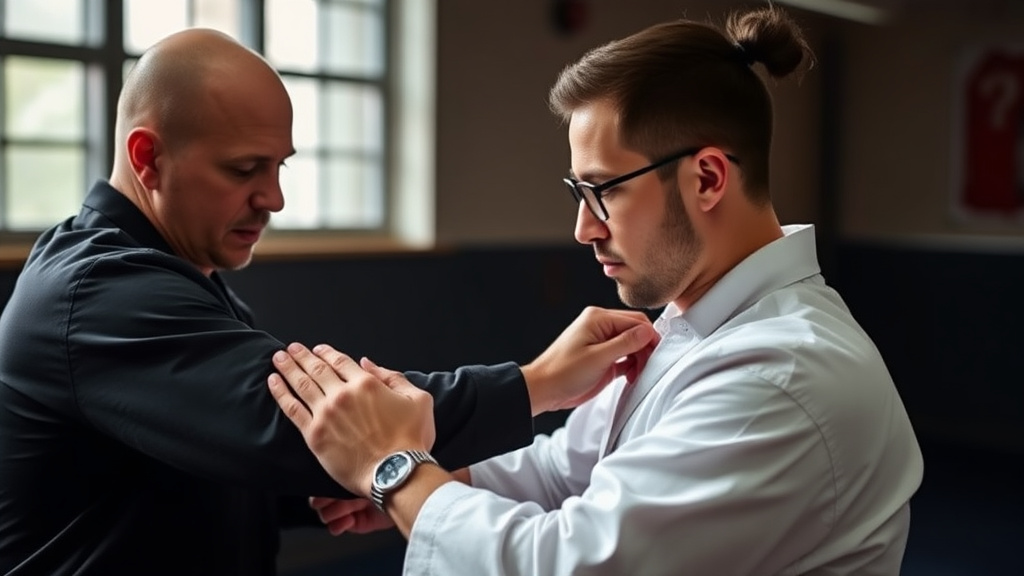
Devastating striking sequences don’t occur randomly—they’re developed through deliberate, repetitive training. Pad training form the foundation of developing dynamic, forceful strikes that transition naturally during real combat situations. This guide details established strategies for designing your training drills to maximize timing, accuracy, and muscle memory. Whether you’re a entry-level or elite fighter, learn how dedicated pad work transforms individual techniques into devastating sequences that surprise your opponents and control the fight.
Foundation of Efficient Pad Work
Learning the Fundamentals
Pad work serves as the bridge between isolated technique practice and real-world application in combat sports. When you hit pads repeatedly, your neuromuscular system begins imprinting movement patterns that transform into instinctive responses. This neurological adaptation is vital for developing combinations that move naturally without conscious thought. The pad holder gives instant feedback, allowing you to adjust timing, distance, and power delivery in real-time. This hands-on component sets pad work apart from heavy bag training, making it indispensable for fighters aiming to perfect their striking arsenal and build devastating offensive sequences.
The basis of efficient pad work relies on correct stance, footwork, and hand positioning. Before attempting intricate sequences, you must build strong basics that allow smooth transitions between strikes. Your stance should be stable yet agile, enabling swift weight transfers and weight shifts. Hand positioning controls both striking ability and defensive readiness. When these basics are embedded via drills, your body can execute advanced combinations while maintaining proper form. Dedicating effort to foundational drills avoids negative patterns and ensures that more complex combinations are built on a reliable base.
The Function of Muscle Memory
Muscle memory is the biological mechanism where consistent training repetitions builds neural pathways that make movements automatic. During pad work, each repetition strengthens these pathways, decreasing the cognitive load needed for combinations. After sufficient repetitions, your muscles can perform intricate movement patterns without conscious direction from your brain. This automation is crucial during actual combat when quick choices determine success or failure. By drilling combinations thousands of times, you train your body to respond instinctively to openings and opportunities.
Developing reliable muscle memory needs consistent effort and gradual progression in your training. Start with slower, deliberate reps to guarantee proper form, then progressively build up speed and intensity. The nervous system needs time to adapt to unfamiliar movement patterns, typically demanding weeks of steady practice. Quality reps matter more than quantity; sloppy, rushed drills entrench poor technique. Each session should build upon previous work, progressively raising complexity as foundational patterns become automatic. This methodical approach ensures that your combinations become reliable weapons you can execute under pressure.
Selecting the Perfect Training Colleague
Your pad holder significantly influences the effectiveness and quality of your workout sessions. An skilled pad holder comprehends timing, positioning, and how to offer targets that recreate authentic fight situations. They provide appropriate resistance and feedback, assisting you in developing power and accuracy at the same time. A experienced partner changes pad positioning and distances in response to your technique, forcing you to extend your range and enhance your footwork. They also recognize when your form breaks down, allowing them to provide coaching cues that speed up progress. Locating an experienced pad holder transforms your training from mindless repetition into deliberate skill improvement.
Interaction between striker and pad holder develops the ideal training environment for combination development. Before each session, discuss which combinations are your focus and the feedback that would be most useful. The pad holder should observe your mechanics and highlight inconsistencies in timing and power delivery. They can also change the intensity levels, starting with easier combinations before advancing to fight-speed intensity. This team-based approach ensures both partners gain value from the session. A great pad holder becomes a coach, mentor, and training partner rolled into one, improving your entire process of developing combinations.
Creating Incremental Composite Structures
Building devastating combinations necessitates a methodical, step-by-step strategy that increases difficulty over time. Start with simple double-punch sequences before moving on to three, four, or extended strike patterns. This structured advancement permits your nervous system to learn motor patterns effectively, ensuring smooth transitions between strikes. Your pad holder becomes essential during this phase, providing feedback on timing, distance, and power distribution. Progressive drilling develops both confidence and muscular memory simultaneously.
The essential element to efficient progression is grasping that each stacked element expands on previous fundamentals. Once core techniques become automatic, incorporate changes in direction, foot placement changes, and defensive elements. This layered approach prevents overwhelming your motor learning capacity while consistently pushing your neuromuscular system. Regular practice at each level guarantees skill mastery before presenting new elements. Your body responds quicker when progression adheres to logical, manageable increments rather than disorganized, arbitrary modifications.
2 and 3 Punch Combinations
Double-punch sequences form the fundamental basis for all complex striking sequences. The jab-cross represents boxing’s most fundamental combination, teaching correct weight distribution, hip rotation, and hand coordination speed. Master this basic pattern before advancing to jab-hook or uppercut-cross variations. Your pad holder should stress correct target contact and follow-through mechanics. Practice at this stage builds the muscle memory patterns necessary for faster, more complex combinations later in your training progression.
Three-punch combinations introduce directional variety and greater difficulty while preserving precise technique. Common patterns include jab-cross-hook, jab-hook-cross, and jab-uppercut-cross sequences. Each option requires distinct weight shifts, footwork adjustments, and timing mechanics. Practice these sequences from various stances and ranges to develop adaptability. Your training partner can vary target placement to test your precision and reaction time. Mastering three-punch sequences establishes a strong foundation for creating impactful four and five-punch combinations.
- Jab-cross-hook targets head and body with smooth transitions.
- Jab-hook-cross shifts angles while preserving forward drive.
- Jab-uppercut-cross merges vertical and horizontal attack angles.
- Cross-hook-cross produces strong lateral motion and power generation.
- Jab-cross-uppercut-hook extends combinations with multiple finishing options.
Advanced Drilling Strategies for Expertise
Progressive Complexity and Variation
Mastering powerful combinations requires progressively building exercise intensity as your fundamental abilities develop. Begin with simple two-punch sequences, then incrementally add additional techniques while preserving accuracy and velocity. Introduce movement variations, stepping patterns, and guard mechanics to replicate authentic fighting situations. This progressive method prevents plateaus and ensures continuous improvement. Change your drills on a weekly basis to challenge muscle memory and stop repetitive fatigue. Seasoned combatants should add spontaneous training partner feedback, demanding flexible decision-making and instinctive technique modifications in active training drills.
Environmental factors considerably impact drilling effectiveness at advanced levels. Train in diverse environments—distinct illumination levels, temperature extremes, and noise levels—to build versatile striking patterns. Practice combinations while fatigued to simulate competition conditions where precision deteriorates. Incorporate weight training alongside pad work to develop dynamic power without sacrificing technique. Advanced drills should include partner-led drills requiring immediate protective reactions followed by counter-attack combinations. This combined method develops fighters who execute combinations instinctively under pressure, shifting abstract knowledge into functional, real-world proficiency.
Cognitive Conditioning and Visualization Techniques
Elite athletes recognize that combination mastery goes beyond mere repetition—mental conditioning shapes performance quality in intense situations. Implement mental imagery techniques in which you mentally practice combinations with vivid sensory detail before physical drilling. Create mental preparation routines establishing focus and intention. Experienced fighters should drill combinations while holding conversation, showing automaticity that releases mental capacity for tactical decision-making. Add stress testing through competitive drilling scenarios in which combinations must succeed versus increasingly skilled resistance. Mental toughness developed through deliberate psychological training guarantees combinations flow flawlessly during championship moments demand perfection.
Analyzing performance accelerates mastery by delivering measurable insights on combination execution. Document your training sessions and watch back the recordings spotting timing issues, power leaks, and technical flaws. Compare your combinations against elite fighters’ footage, examining subtle positioning adjustments and rhythm variations. Review recorded sessions with seasoned coaches who spot patterns invisible during live drilling. Advanced athletes should maintain detailed drilling journals recording variations in combinations, success percentages, and technical progressions. This data-driven approach shows which combinations suit your fighting style, physical characteristics, and tactical preferences, enabling customized training programs that maximize individual potential and competitive edge.
Integration with Combat Use
Transitioning combinations from pad work to live sparring demands systematic integration protocols bridging the gap between structured practice and live combat. Start the process through technical sparring where partners collaborate, enabling combinations to flow without opponent defense. Move into moderate-resistance training where opponents defend selectively, forcing small tactical changes. Higher-level training involves full-contact sparring where combinations need to defeat opponent resistance, offensive counters, and positional restrictions. This systematic advancement develops mental fortitude while minimizing harm from premature full-contact application. Successful integration guarantees combinations refined through meticulous pad work convert into effective combat tools, not standalone movements removed from combat reality.
Championship-level fighters acknowledge that combination mastery entails an ongoing journey rather than reachable goal. Steadily improve existing combinations while building new ones addressing evolving competitive patterns and strategic developments. Periodically return to basic practice, solidifying foundational techniques that support advanced combinations. Document carefully of combinations that repeatedly prove effective in competition, recognizing trends revealing your signature striking style. Advanced practitioners should teach newer competitors, instructing combination principles while gaining knowledge from fresh insights. This reciprocal knowledge exchange speeds up shared progress within training communities, raising overall striking standards and maintaining devastating combinations remain competitive advantages throughout changing combat environments.
