
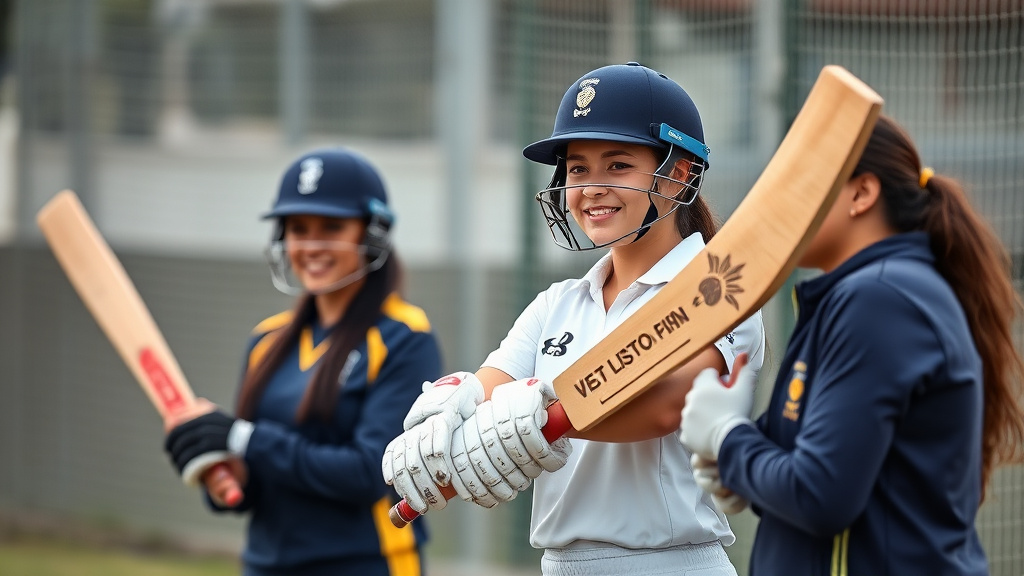
Women’s cricket is experiencing an historic international growth, with grassroots community programs documenting historic participation figures across continents. From major cities to isolated communities, young girls are embracing the sport in record numbers, breaking traditional barriers and transforming the sport’s future. This article examines the primary reasons behind this remarkable growth, assessing how grassroots programs, greater media coverage, and evolving attitudes are reshaping global women’s cricket while motivating a emerging cohort of athletes to take up cricket.
Worldwide Development in Women’s Cricket
The surge in women’s cricket engagement represents a significant transformation in the sport’s global landscape. Local organizations worldwide are seeing extraordinary sign-up figures, with grassroots initiatives reporting growing participation from girls across diverse geographic regions. This increase demonstrates growing recognition of cricket as an inclusive sport, breaking through traditional gender barriers. Support for accessible facilities, budget-friendly instruction, and inclusive environments has democratized cricket participation, enabling girls from diverse income levels to take part in the sport actively and at competitive levels.
Statistical findings demonstrates impressive development trends worldwide, with emerging markets seeing particularly impressive participation increases. International cricket bodies and grassroots bodies have collaborated to develop comprehensive development pathways, guaranteeing enduring development. Press attention of women in cricket has increased profile, motivating aspiring players and highlighting viable professional opportunities. These interconnected forces—structural investment, organizational support, and cultural momentum—have created favorable conditions where the women’s game prospers, drawing varied players and establishing the sport as a genuine vehicle for competitive success and social development worldwide.
Community Initiatives Increasing Engagement
Grassroots community programs have emerged as the cornerstone of women’s cricket growth globally. These programs provide accessible entry points for girls of every age group and skill levels, eliminating financial and logistical barriers that formerly limited participation. Organizations collaborating with local schools, municipalities, and cricket boards have created training academies, weekly training programs, and inter-community tournaments. By taking cricket into neighborhoods and villages, these programs democratize the sport and create pathways for talented young athletes to develop their skills in encouraging settings.
The success of grassroots programs is evident in engagement data across various countries. Countries like India, Australia, and the Caribbean have experienced dramatic increases in girls’ cricket engagement after strategic local initiatives. Instructional programs developed for women, guidance by experienced athletes, and diverse squad compositions have built connection and confidence among participants. Additionally, these efforts often tackle cultural awareness and offer adaptable timetables enabling schooling and family commitments, making participation in the sport accessible for girls from different financial situations worldwide.
Influence and Potential Growth
Transforming Communities Through Sport
The growth in women’s cricket involvement is generating significant community change within communities globally. Beyond athletic achievement, grassroots programs are developing confidence, leadership, and educational opportunities for young girls. These programs create secure environments where participants develop essential life skills while building meaningful friendships. The broader impact extends beyond the cricket field, as women competitors serve as inspirational figures encouraging the next generation. Communities witnessing increased participation report stronger community bonds and improved mental health outcomes among participants. This transformation highlights cricket’s capacity as a catalyst for community growth and advancement and empowerment.
Economic and Occupational Growth
Expanding women’s cricket participation directly correlates with substantial financial prospects and career development. Increased grassroots engagement creates pathways to country-level squads, professional leagues, and international competitions offering financial rewards not accessible before. Sponsorships, broadcasting rights, and merchandise sales generate revenue supporting program sustainability. Countries investing in female cricket development systems witness job creation across training, organizational, and athletic management fields. This financial aspect strengthens commitment from governments and private organizations, ensuring ongoing financial support for community initiatives. Career prospects motivate young players, transforming cricket from casual pastime into legitimate professional pathway.
Strategy for Sustainable Development
Long-term success requires ongoing dedication to infrastructure development, coaching education, and inclusive programming. Organizations should prioritize access for underrepresented communities, ensuring socioeconomic status doesn’t restrict participation opportunities. Incorporating technology, such as digital coaching platforms and virtual tournaments, broadens reach to remote regions. Collaborative alliances among governing bodies, educational institutions, and business partners strengthen ecosystem sustainability. Ongoing media attention and celebrity athlete endorsements maintain forward progress and cultural relevance. Through focused funding and joint initiatives, women’s cricket can achieve true worldwide equality, positioning itself as a major athletic pursuit providing unlimited opportunities for players worldwide.
