
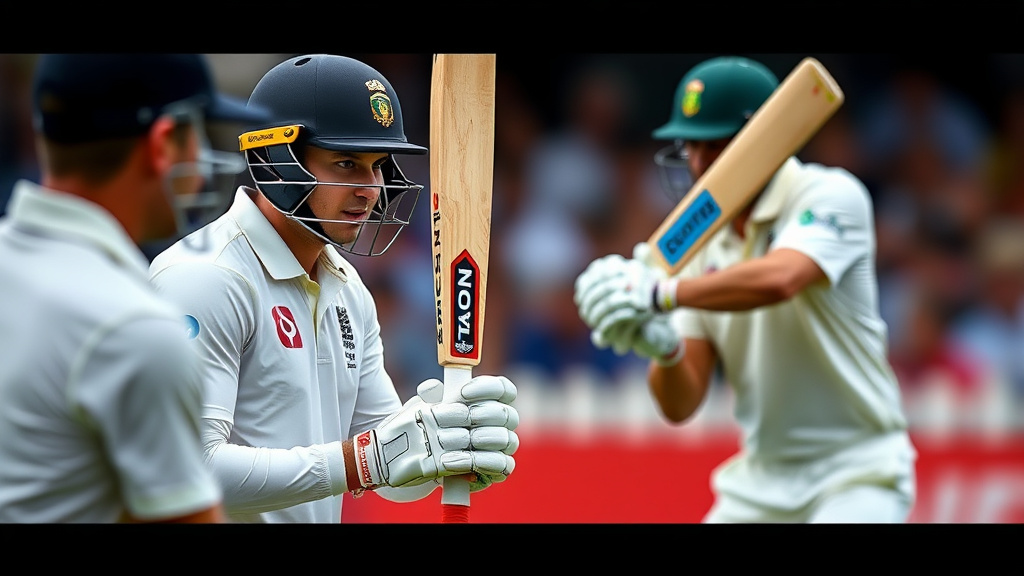
Professional cricket requires extraordinary physical endurance, yet injuries jeopardize careers short. From fast bowlers managing shoulder tension to batsmen contending with repetitive stress, athletes navigate persistent hazards that can sideline them for months. However, modern injury prevention strategies are transforming the way cricketers protect their bodies and prolong their careers. This article examines research-backed approaches, including specific training regimens, movement pattern assessment, and restoration procedures, that permit professional cricketers to maintain peak performance while minimizing injury risk during their professional tenure.
Learning about Frequent Cricket Injuries
Pace Bowling and Shoulder Damage
Pace bowlers encounter some of the most serious injury risks in cricket due to the explosive rotational forces produced during the bowling action. The repeated high-impact nature of fast bowling places immense stress on the shoulder area, shoulder muscles, and surrounding soft tissues. Studies show that shoulder injuries account for approximately 15-20% of all injuries in cricket among pace bowlers. These injuries range from rotator cuff strains and impingement syndrome to more serious labral tears that may require surgical intervention. Understanding the biomechanical demands of bowling is crucial for developing prevention strategies.
The bowling action involves complex coordination of multiple body segments, with the shoulder acting as a critical link in the kinetic chain. Inadequate technique, insufficient warm-up routines, and inadequate recovery periods between matches significantly increase injury risk. Fast bowlers often experience persistent shoulder discomfort that progressively worsens without appropriate care. Research suggests that bowlers who complete routine biomechanical evaluations and rehabilitation training reduce shoulder injury incidence by up to 40%. Introducing sport-specific conditioning programs designed to strengthen stabilizer muscles around the shoulder joint proves essential for long-term career sustainability.
Lower Back and Lower Spine Strain
Lower back injuries constitute another prevalent concern affecting cricketers across all positions, though bowlers face notably higher risk. The lumbar spine sustains substantial compression and shearing stress during bowling movements, batting strokes, and fielding movements. Approximately 30% of professional cricketers experience lower back pain at some point during their careers. These injuries typically involve disc protrusion, facet joint dysfunction, and muscular strain affecting career longevity and performance. The recurring demands of cricket training and match play compounds accumulated stress on spinal structures.
Factors leading to lower back injuries include poor core stability, inadequate flexibility in hip flexors and hamstrings, and improper technique execution. Many young cricketers develop compensatory movement patterns that increase spinal loading without realizing the long-term consequences. Current prevention strategies emphasize core stability training, flexibility training, and movement pattern correction before injuries occur. Players who keep robust core strength have substantially fewer injury episodes. Early assessment through physical therapy evaluation can identify biomechanical risk factors and halt advancement to serious spinal conditions.
Knee and Lower Limb Damage
Knee injuries impact cricketers engaged in explosive movements including pace bowling, quick running between wickets, and dynamic fielding activities. The knee joint experiences substantial stress during the impact stage of bowling and rapid directional changes required in fielding. Common knee injuries include ACL sprains, meniscal tears, and patellofemoral pain syndrome. These injuries often result from insufficient leg strength, improper landing technique, or inadequate warm-up before strenuous activity. Approximately 25% of cricket injuries affect the knee and surrounding structures.
Lower limb trauma extend beyond the knee to encompass ankle sprains, calf muscle strains, and Achilles tendon issues commonly seen in fielders and batsmen. The irregular field conditions of cricket grounds heighten ankle trauma likelihood versus regulated indoor settings. Resistance training addressing hip stabilizers, quadriceps, and calf muscles offer protective advantages against lower limb injuries. Proprioceptive conditioning and stability training enhance ankle stability and lower re-injury rates. Players following extensive leg conditioning regimens show improved movement quality and reduced injury prevalence throughout their careers.
Effective Prevention and Training Techniques
Modern cricket teams utilize systematic injury management systems that integrate scientific research with hands-on training approaches. These organized strategies tackle individual player vulnerabilities through tailored analysis, identifying specific risk factors before they become problematic. By integrating biomechanical analysis, strength evaluations, and movement screening, coaching staff design specific corrective programs that strengthen weak areas and optimize movement patterns. This proactive strategy has proven crucial in markedly lowering injury frequency across professional cricket organizations globally.
Fitness and Conditioning Programs
Targeted conditioning and strength programs form the cornerstone of injury mitigation in professional cricket. These tailored regimens concentrate on developing functional strength, muscular stamina, and functional stability required for sport-specific movements. Experienced conditioning specialists develop advancing training programs that meet sport-demands while accounting for unique player attributes, previous injury history, and position-specific demands. Periodic assessments monitor advancement and enable program modifications, maintaining athletes preserve peak physical condition during intense seasons.
Effective conditioning extends beyond basic physical conditioning, highlighting sport-specific movement patterns and functional exercises. Programs feature explosive power training for batting and bowling, core rotational stability for throwing, and lower body strength development for fielding requirements. Integration of plyometric work, resistance training, and flexibility components establishes comprehensive training frameworks. Periodized training programs match competition schedules, balancing intense preparation phases with recovery time, preventing overtraining and accumulated fatigue that raises injury risk.
- Build dynamic strength with plyometric training exercises
- Enhance core stability through rotational exercise movements
- Improve lower body strength for better fielding abilities
- Enhance shoulder stability through focused resistance training
- Increase flexibility and joint mobility with active stretching routines
Recovery protocols support conditioning programs, acknowledging that adaptation occurs during recovery time rather than training sessions. Professional cricket teams establish structured recovery strategies including sufficient sleep improvement, nutritional support, active recovery sessions, and psychological monitoring. Regular assessment of training load relative to recovery capacity guarantees athletes maintain positive training-to-recovery ratios. This holistic approach avoids chronic fatigue accumulation, reduces illness susceptibility, and maintains consistent performance standards essential for long-term career sustainability.
Recovery and Extended Career Planning
Structured Recovery Protocols
Comprehensive recovery approaches form the backbone of sustained professional cricket. Professional teams now deploy comprehensive post-match and post-training recovery strategies, including ice baths, massage therapy, and light activity recovery. These protocols lower inflammation levels, speed up tissue healing, and ready athletes for subsequent matches. Proper sleep, usually between eight and ten hours per night, is vital for hormonal balance and muscle recovery. Nutritional support, including high-protein nutrition and strategic supplements, supports cellular regeneration. By emphasizing consistent recovery practices, cricketers minimize cumulative fatigue and prevent minor issues from developing into serious injuries that could cut short professional careers.
Observation and Health Assessment
Ongoing medical monitoring allows prompt identification of developing issues prior to they develop into career-limiting injuries. Professional cricket teams employ sports medicine physicians, physiotherapists, and strength coaches who observe players throughout seasons. Routine evaluations include flexibility testing, strength assessments, and movement analysis. Cutting-edge technology like ultrasound and MRI imaging reveal subtle tissue damage invisible to the human eye. Load management systems track training load and competition stress, ensuring players remain below safe thresholds. This preventive strategy enables medical staff to act swiftly with specific interventions, preventing minor strains from progressing into major injuries that could significantly impact playing careers.
Psychological Resilience and Comeback to Competition
Mental resilience is just as crucial as physical recovery when maintaining longevity in cricket. Cricketers face psychological challenges during rehabilitation, including frustration, anxiety, and fear of re-injury. Sports psychologists partner with cricketers to develop coping strategies and maintain motivation during recovery periods. Structured return-to-play protocols gradually reintegrate players into competitive activity. strengthening belief over time. Clear communication between medical staff and players ensures realistic expectations and reduces hasty re-entry that increase injury likelihood. Mental preparation approaches, including visualization and goal-setting, support players maintain focus during rehabilitation. This comprehensive strategy tackles mental and physical aspects of recovery, supporting sustained career longevity.
Professional Longevity Through Preventive Maintenance
Approaching injury prevention as regular care rather than reactive treatment greatly enhances cricket careers. Elite players establish routines promoting sustained wellness, including consistent conditioning, sound dietary choices, and stress management. Ongoing preparation during breaks maintains fitness levels, minimizing injury likelihood during competitive periods. Range-of-motion training and movement drills reduce strength disparities that build up throughout careers of sport-specific actions. Players develop awareness of preliminary symptoms of overuse and communicate concerns to medical teams right away. This injury-prevention approach, paired with research-backed methods, enables professional cricketers to sustain top-level play across extended careers, optimizing their value to teams and the sport.
